
Wallowa-Whitman National Forest

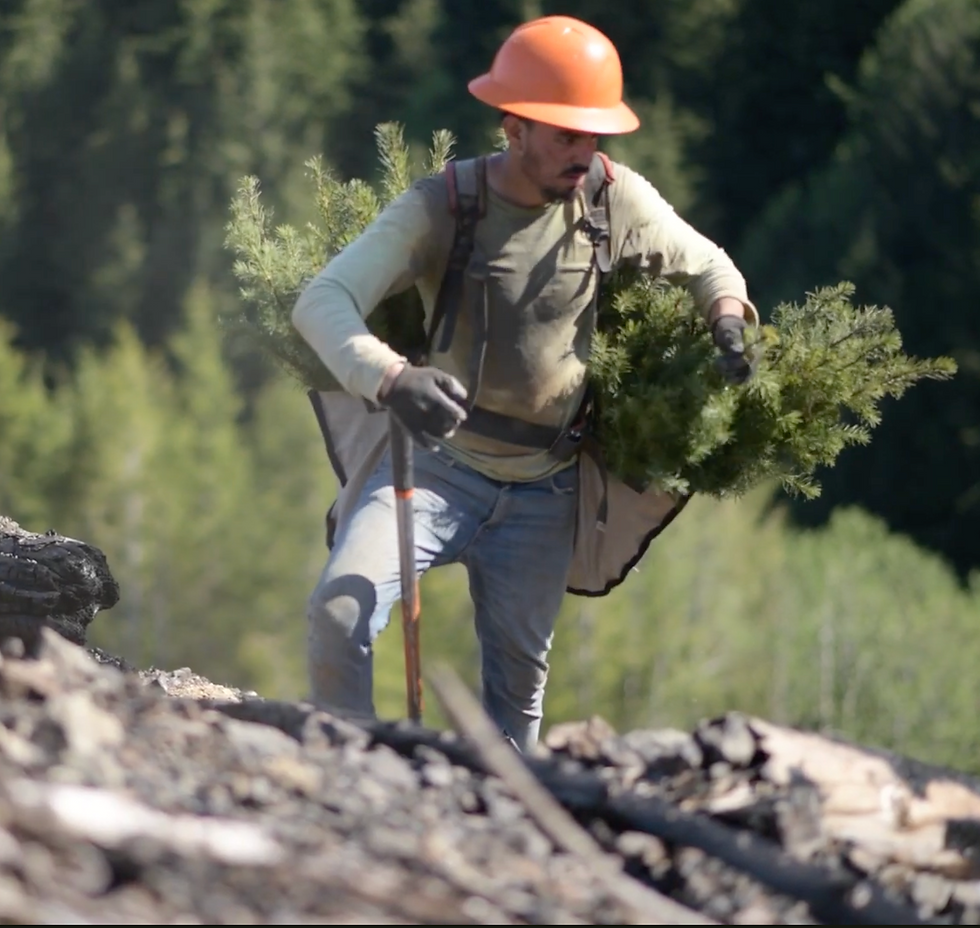
Planting in this forest.
The Wallowa-Whitman National Forest, spanning approximately 2.4 million acres across northeastern Oregon and western Idaho, is a region of remarkable ecological diversity. Its landscapes shift from dramatic alpine peaks and deep canyons to expansive grasslands and heavily forested watersheds. This vast ecosystem supports a vibrant web of life, serving as a critical sanctuary for iconic wildlife like elk, black bears, gray wolves, and bald eagles, while nourishing vital waterways that shelter threatened Chinook salmon and steelhead trout.
In recent years, the forest has faced severe environmental pressures. Destructive wildfires, historical logging, and intense pest outbreaks have left massive burn scars and disrupted the natural canopy. Without active intervention, these degraded landscapes risk severe soil erosion and long-term ecosystem collapse. To spark recovery, ongoing restoration projects focus on systematically replanting native conifers in highly targeted areas that can no longer regenerate on their own.
Reforestation efforts focus on specific, hardy tree species selected for their adaptability and role in supporting regional biodiversity. Ponderosa pine is introduced for its incredible fire tolerance and deep root systems that hold vulnerable soils in place. Douglas-fir serves as a foundational species to rebuild dense, year-round forest structure, while western larch offers rapid early growth and unique resilience against local pests and changing climate conditions.
Every seedling planted ripples directly through the local animal populations, helping to heal the habitat from the ground up. By re-establishing a multi-layered forest cover, these projects restore vital winter shelter and foraging grounds for large mammals like elk and deer, while creating crucial nesting infrastructure for bald eagles and smaller forest birds. Down in the valleys, these regenerating forests act as natural filters. As the new root systems take hold, they stabilize the banks of key watersheds such as the Grande Ronde and Powder Rivers. This dramatic reduction in soil erosion keeps the water clean and cool, ensuring the gravel beds downstream remain safe, pristine spawning environments for salmon and trout. Through these targeted planting initiatives, this work ensures the Wallowa-Whitman remains a resilient, thriving home for both wildlife and human communities for generations to come.


Location
Oregon, USA
Project Type
Reforestation
Environmental Benefits
Soil stabilization
Improved water quality
Enhanced wildlife habitats
Carbon sequestration
Increased biodiversity
About this forest
The Wallowa-Whitman National Forest spans 2.4 million acres in northeastern Oregon and western Idaho. It features alpine peaks, lush forests, deep canyons, and pristine rivers. The forest is home to diverse wildlife, including elk, gray wolves, and bald eagles, as well as fish like Chinook salmon and steelhead trout. It offers stunning landscapes, rich biodiversity, and vital ecological functions.


