
Ottawa National Forest
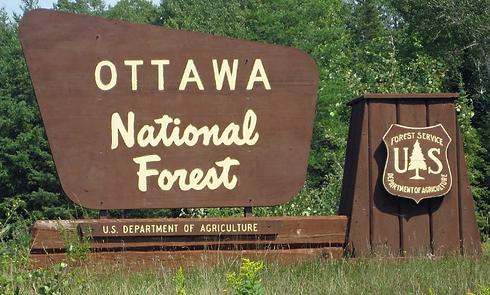
Planting in this forest.
The Ottawa National Forest in Michigan’s Upper Peninsula has been the focus of ongoing restoration efforts aimed at improving forest health, enhancing wildlife habitat, and protecting critical watershed systems. These efforts address environmental challenges such as pest infestations, forest decline, and changing ecosystem conditions.
In 2026, restoration efforts expanded significantly with the Ottawa National Forest Wildlife Habitat Restoration project, which introduced 331,000 native tree seedlings across priority areas. This large-scale initiative focuses on restoring forest structure, improving wildlife habitat, and strengthening ecosystem resilience in areas where natural regeneration has been limited.
These efforts build on earlier work completed in 2021 through a Native Species Restoration project. During that initiative, 51,000 native conifer seedlings were planted across approximately 170 acres within the East Branch Ontonagon River and Perch River watersheds near Kenton, Michigan. The project focused on replacing trees lost to spruce budworm infestations, which had reduced canopy cover and impacted stream conditions.
The restoration work included planting a mix of native species such as white pine, red pine, white spruce, tamarack, hemlock, and cedar. These species help restore riparian canopy, stabilize stream banks, reduce erosion, and maintain cooler water temperatures essential for aquatic species like brook trout.
Together, these projects represent a continued commitment to restoring the Ottawa National Forest through targeted reforestation efforts that improve habitat, protect water resources, and support long-term ecosystem resilience.


Location
Michigan, USA
Project Type
Reforestation
Environmental Benefits
Habitat Restoration
Wildlife Habitat Support
Improved Water Quality
Soil Stabilization
Increased Biodiversity
About this forest
The Ottawa National Forest spans nearly one million acres in Michigan’s Upper Peninsula, featuring a mix of hardwood and conifer forests, lakes, and river systems. This landscape supports diverse wildlife and plays a critical role in maintaining regional ecological balance. In addition to its environmental importance, the forest offers recreational opportunities such as hiking, fishing, and camping, making it a valuable natural resource for both wildlife and surrounding communities.


