
Idaho Panhandle
National Forest
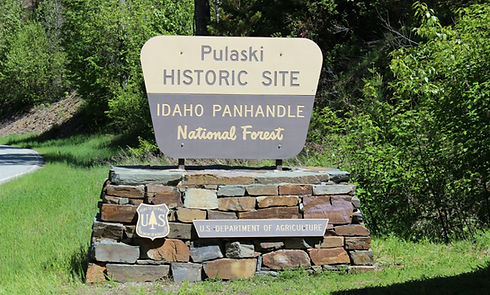
Planting in this forest.
The Idaho Panhandle National Forests have undergone extensive reforestation in recent years to restore forest cover, stabilize watersheds, and support recovery from wildfire across northern Idaho. These projects focus on planting native species to rebuild forest ecosystems and enhance long-term landscape resilience.
The Idaho Panhandle NF Post-Fire Reforestation (2026-2027) project continues this vital work by planting 212,100 additional trees to mitigate the effects of recent fires and ensure the regeneration of high-priority areas.
In 2025, the forest continued large-scale post-fire recovery with the Idaho Panhandle National Forest Post-Fire Tree Planting project, which resulted in the planting of 181,200 native tree seedlings across wildfire-impacted areas.
This followed the 2024 Character Complex Post-Wildfire Reforestation project, which introduced 288,000 trees to landscapes affected by the 2021 Character Complex Fire. The project aimed to reestablish forest cover, stabilize soil, and support ecosystem function using species such as western white pine, ponderosa pine, and western larch.
In 2023, two projects supported both riparian and upland recovery. The Bottom Canyon Riparian Improvement project planted 3,052 native trees and shrubs along stream corridors to reduce erosion and improve aquatic habitat. That same year, the North Zone Wildfire Recovery project added 30,200 seedlings across upland forest areas to accelerate natural regeneration and enhance biodiversity.
In 2022, the Central Zone Wildfire Recovery Planting project introduced 25,700 trees to fire-impacted terrain, while the North Zone Wildfire Recovery Planting project added another 30,200 trees, continuing efforts to rebuild forest structure in areas with low natural regeneration.
In 2021, three post-wildfire reforestation efforts were completed across different zones of the forest. The South Zone project planted 30,200 trees, the Central Zone added 120,800 trees, and the North Zone contributed 54,360 trees to fire-damaged landscapes. These coordinated efforts addressed widespread wildfire impacts with a focus on forest health and slope stability.
The earliest of these initiatives took place in 2020, when three major reforestation projects were implemented: the Fernan Reforestation project planted 279,652 trees, the Priest Lake Reforestation project added 262,438 trees, and the Bonners Ferry Reforestation project introduced 230,728 trees across previously disturbed areas. These projects formed the foundation for ongoing forest restoration across the region.
Together, these projects represent a long-term, coordinated effort to restore forest ecosystems in the Idaho Panhandle National Forests following wildfire and environmental disturbance. By reestablishing native species and improving forest structure, the forest continues to recover while providing critical habitat, clean water, and wildfire resilience.


Location
Idaho, USA
Project Type
Reforestation
Environmental Benefits
Wildfire Recovery
Soil Erosion Prevention
Habitat Restoration
Biodiversity Enhancement
Increased Carbon Sequestration
About this forest
The Idaho Panhandle National Forests span over 2.5 million acres across northern Idaho, encompassing diverse landscapes of dense coniferous forests, alpine lakes, and rugged mountain peaks. Known for its rich biodiversity, the forest supports wildlife such as moose, grizzly bears, and eagles. It offers abundant recreational opportunities, including hiking, fishing, and camping, amidst stunning natural beauty and serene wilderness.


