Huron-Manistee National Forests
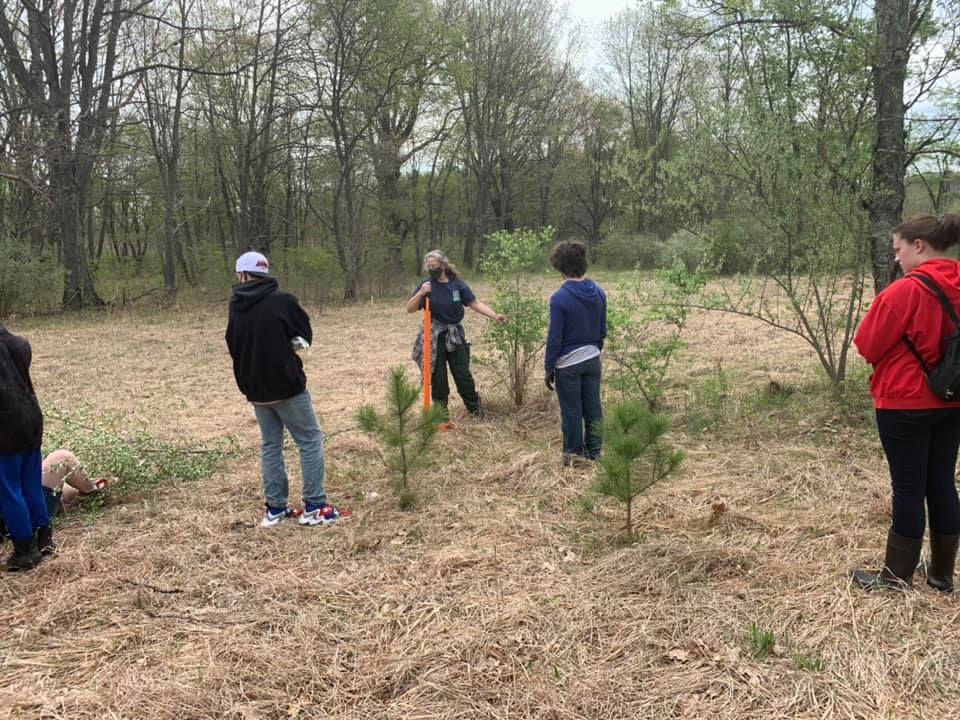
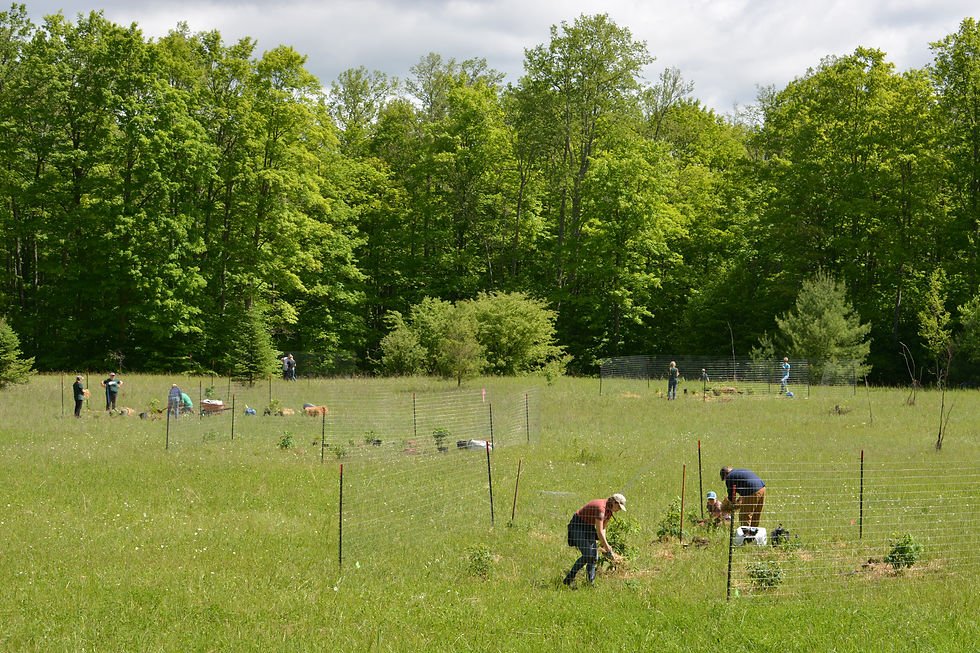
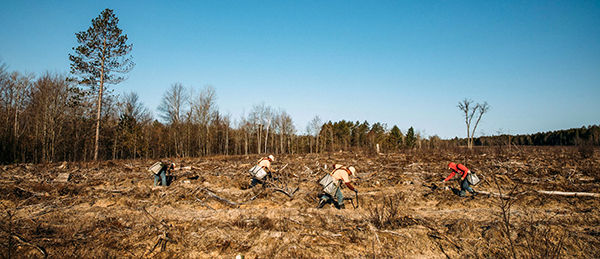
Planting in this forest.
The Huron-Manistee National Forests in Michigan have implemented extensive reforestation efforts in recent years to restore native species, rehabilitate fire-impacted areas, and create critical habitat for wildlife, particularly the Kirtland’s warbler—a conservation-reliant songbird dependent on young jack pine ecosystems.
In 2026, restoration efforts continued with the Huron-Manistee National Forests FY26 and FY27 Reforestation Project, which introduced 350,300 trees across priority areas. This large-scale initiative focuses on expanding jack pine habitat, supporting long-term forest regeneration, and strengthening ecosystem resilience in areas where natural recovery has been limited.
In 2025, four major reforestation projects were carried out. The FY25 Brittle Fire Reforestation Project resulted in the planting of 255,500 trees in areas affected by wildfire. The Huron Shores FY25 Kirtland’s Warbler Habitat Creation Project introduced 222,600 jack pine seedlings to expand warbler nesting habitat. The Festuca Kirtland’s Warbler Planting on the Mio Ranger District added 172,000 trees, continuing efforts to establish dense jack pine stands. Additionally, the Baldwin/White Cloud Ranger District FY2025 Reforestation Project contributed 31,000 native trees across priority sites.
In 2023, the Jack Pine Planting for Songbird Habitat project planted 586,000 jack pine seedlings to support the recovery of the Kirtland’s warbler by replicating its preferred nesting conditions. That same year, the Brittle Fire Reforestation project introduced 100,000 trees to restore burned forest areas and improve site stability.
In 2021, the Native Species Restoration project added 905,000 native trees to enhance forest diversity, habitat quality, and climate resilience. The Nuthatch Restoration project planted 70,000 trees to support habitat conditions for cavity-nesting bird species.
Together, these projects represent a large-scale, coordinated effort to restore forest health and improve habitat availability across the Huron-Manistee National Forests, with a continued focus on supporting the long-term recovery of the Kirtland’s warbler and strengthening ecosystem stability.
Location
Michigan, USA
Project Type
Reforestation
Environmental Benefits
Wildlife Habitat Restoration
Enhanced Biodiversity
Soil Stabilization and Erosion Control
Watershed Health Improvement
Climate Resilience and Carbon Sequestration
About this forest
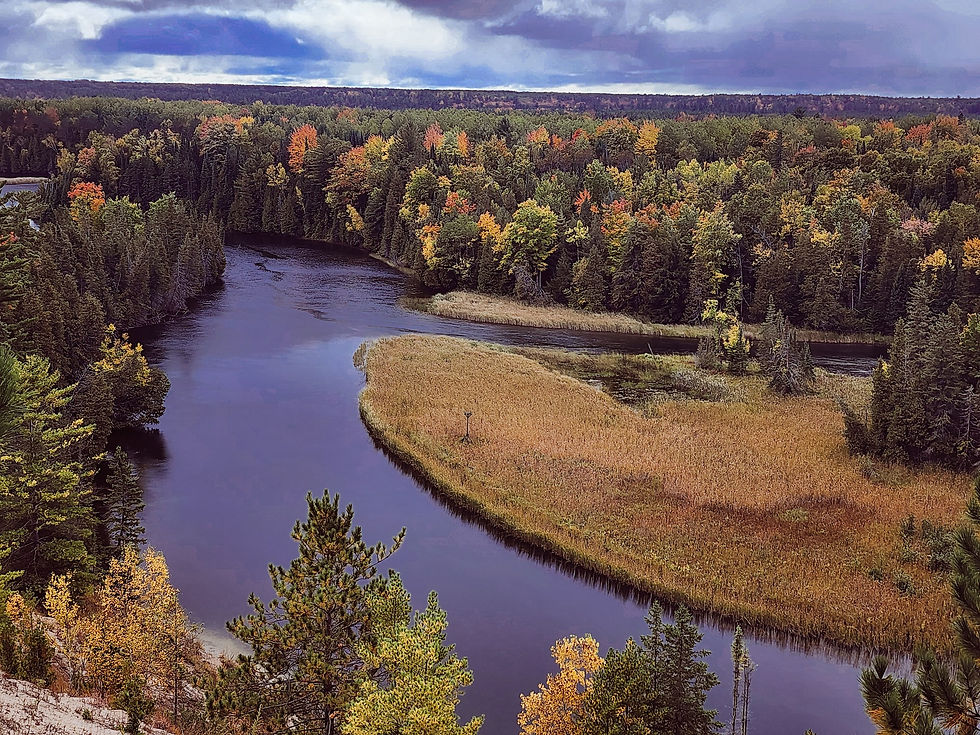
The Huron-Manistee National Forests in Michigan’s Lower Peninsula span nearly one million acres of varied landscapes, including dense woodlands, wetlands, and winding rivers. These forests provide essential habitat for wildlife and play a key role in maintaining ecological balance. They also offer opportunities for outdoor activities like hiking, fishing, and camping, making them an important natural resource for both local communities and visitors year-round.