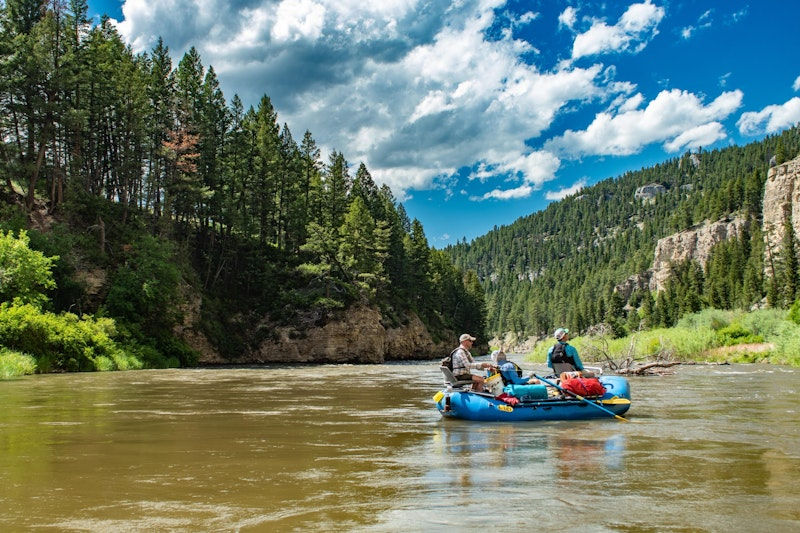
Helena-Lewis and Clark National Forest

Planting in this forest.
The Helena-Lewis and Clark National Forest, located in central Montana, spans approximately 2.8 million acres within the upper Missouri River system and along the Continental Divide. This landscape has been shaped over time by natural forces, Indigenous stewardship, and historic events including the Lewis and Clark Expedition.
Following periods of intensive mining and logging in the 19th century, conservation efforts were established in the early 1900s under Theodore Roosevelt to protect and restore the region. Indigenous communities, including the Blackfeet, Salish, Pend d’Oreille, and Crow peoples, have longstanding connections to this land, with many areas remaining culturally significant today.
In 2026, a total of 50,300 trees were planted across impacted areas of the forest as part of ongoing reforestation efforts. This work included the planting of native species such as Whitebark Pine, a high-elevation tree that plays an important role in supporting ecosystem stability and wildlife habitat. These efforts support the recovery of landscapes affected by past land use and environmental pressures, helping to restore native vegetation, stabilize soils, and maintain critical ecological function.
The forest also serves as an important natural resource for surrounding communities while offering extensive recreational access across more than 1,000 miles of trails. By reinforcing natural forest structure and supporting ecosystem function, these efforts contribute to the long-term health and resilience of the Helena-Lewis and Clark National Forest.


Location
Montana, USA
Project Type
Reforestation
Environmental Benefits
Ecosystem Restoration.
Historical Preservation.
Recreational Enhancement.
Soil and Water Conservation.
Climate Change Mitigation.
About this forest
The Helena-Lewis and Clark National Forest spans over 2.8 million acres in central Montana, featuring diverse landscapes ranging from rugged mountain peaks and deep valleys to grasslands and alpine meadows. Renowned for its pristine wilderness, the forest is home to wildlife such as elk, grizzly bears, and bald eagles. It offers abundant recreation opportunities, including hiking, fishing, and camping, amidst stunning natural beauty.